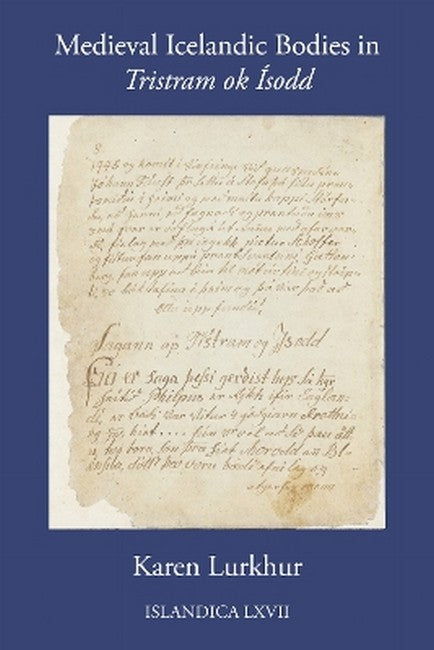
Medieval Icelandic Bodies in "Tristram ok Isodd" examines the depiction of the bodies of the two main characters in the Icelandic version of the Tristan romance, the Saga af Tristram ok Isodd, through the lens of the Islendingasoegur, the classic sagas of the early Icelanders. Although its origins are somewhat unclear, the Saga af Tristram ok Isodd derives, ultimately, from Thomas's Anglo-Norman Tristran and was composed under the influence of the Old Norse translation, in 1226, of the Anglo-Norman original. Nonetheless, this version "deviates, sometimes rather startlingly, from its Old Norse inspiration," leading some scholars to consider it "an inept retelling" if not "a deliberate satire." In this book, Karen Lurkhur proposes that certain "outlandish features" of the Icelandic romance, such as its treatment of Tristram's various wounds and its erotic devaluation of Isodd, may be attributed to the not always successful attempt of the anonymous author to transpose Thomas's Old French romance of adultery and incest into the moral register of the sagas.