
Alexandre Vaz, PhD, is chief academic officer of Sentio University Marriage and Family Therapy (MFT) program in California. This innovative online/hybrid California MFT degree was the first approved by the California BBS for MFT licensure to fully integrate deliberate practice and artificial intelligence (AI) into its curriculum. He is also director of clinical training for the Sentio Counseling Center, which is Sentio MFT program's guaranteed practicum site. Dr. Vaz is the author/coeditor of many books on deliberate practice and psychotherapy training and is coeditor of APA's Essentials of Deliberate Practice Series. Tony Rousmaniere, PsyD, is president of Sentio University Marriage and Family Therapy (MFT) program in California. He led the development of the online/hybrid Sentio MFT program, the first MFT therapist training program approved by the California BBS for MFT licensure that integrates deliberate practice and artificial intelligence (AI) into its curriculum. Dr. Rousmaniere has authored/coedited many books on psychotherapy training and is coeditor of APA's Essentials of Deliberate Practice Series. He is also executive director of the Sentio Counseling Center, which is the Sentio MFT program's guaranteed practicum site, and past president of the American Psychological Association's Division 29.

Request Academic Copy
Please copy the ISBN for submitting review copy form
Description
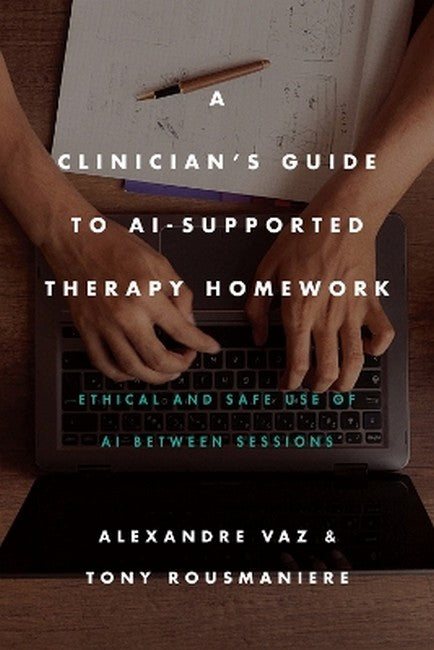
Foreword Allen Frances Preface Part I. Context, Research, and Ethical Foundations Chapter 1. The Promise of AI for Between-Session Therapy Support Chapter 2. Digital Empathy: How AI Chatbots Work in Mental Health Contexts Chapter 3. What Are Therapy Clients Already Doing With AI? Emerging Research on AI in Mental Health Chapter 4. The Problem With Therapy Homework: Why Clients Struggle with Between-Session Work Chapter 5. A Clinical Framework for Safe AI-Assisted Between-Session Therapy Support Part II. Diagnosis and Clinical Presentation-Focused Homework Assignments Chapter 6. Grounding and Emotional Regulation Chapter 7. Mood Tracking Chapter 8. Behavioral Activation and Daily Structure Chapter 9. Relationship and Communication Skills Chapter 10. Exposure and Avoidance Reduction Chapter 11. Self-Compassion Practice Chapter 12. Sleep Hygiene: Monitoring and Support Chapter 13. Perfectionism Chapter 14. Grief and Bereavement Chapter 15. Chronic Pain: Pacing and Acceptance Chapter 16. Addiction Recovery and Habit Change Chapter 17. Obsessive Compulsive Disorder: Exposure and Response Prevention Supports Chapter 18. Generalized Anxiety Disorder: Interrupting Worry and Rumination Loops Part III. Population-Focused Homework Assignments Chapter 19. Couples Using AI Together Chapter 20. Chronic Disability Chapter 21. Autism and Neurodiversity: Social Communication Rehearsal Chapter 22. Caregivers and Family Burnout Chapter 23. Vocational Coaching Appendix A. Clinician Checklist: Assessment of Client AI Use Appendix B. Clinician Checklist: Appropriateness of AI Assistance Between Sessions References Index About the Authors