
Catherine Christensen Gwin is an associate professor of history at Palomar College.

Request Academic Copy
Please copy the ISBN for submitting review copy form
Description
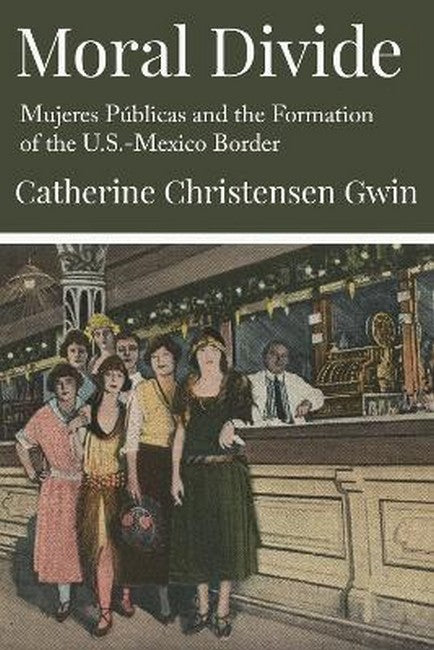
"A brilliant new history of the U.S.-Mexico border rooted in the gender politics of the Progressive Era. Catherine Christensen Gwin details how white California clubwomen compelled the U.S. federal government to build border fences at Tijuana and Mexicali in the 1920s to halt the transmigration of white American sex workers and their white American patrons. Yet in their determination to police morality and eradicate urban vice districts, the clubwomen overlooked the agency of public women who used Mexicos proximity to build cross-border, cross-racial leisure cultures that sustained their livelihoods, fueled the Mexican economy, and satisfied male sexual desire. From the establishment of punitive reformatories for wayward girls to the federal legislation for border walls, Moral Divide artfully traces both the clubwomens efforts and the sex workers ingenuity as they negotiated what it meant to be independent, activist women in twentieth-century North America."-Laura K. Munoz, author of Desert Dreams: Mexican Arizona and the Politics of Educational Equality
"Moral Divide is a significant study of the sexual politics that surrounded the creation of an enforceable border between the United States and Mexico in the Progressive Era. The triangulation of three sets of archival sources-organizational records of the clubwomen, the U.S. federal government, and fascinating records from Mexico-makes this book exciting. This study will be of interest to womens historians, borderlands scholars, and historians of California."-Jessica Pliley, author of Policing Sexuality: The Mann Act and the Making of the FBI
"Tremendously important given the U.S.-Mexico borders social, political, and cultural significance in American history and our contemporary moment. Moral Divide offers compelling narratives of clubwomens persistence around border enforcement and sex workers defiance that generate new insights into the gendered and racial dynamics of border-making."-Natalie Lira, author of Laboratory of Deficiency: Sterilization and Confinement in California, 1900-1950s