
The American Academy of Pediatrics is an organization of 67,000 primary care pediatricians, pediatric medical subspecialists and pediatric surgical specialists dedicated to the health, safety and well-being of infants, children, adolescents and young adults. The AAP is the largest pediatric publisher in the world, with a diverse list of resources that includes essential clinical and practice management titles and award-winning books for parents. Dr Tan is Professor of Pediatrics at the Feinberg School of Medicine, Northwestern University, and a Pediatric Infectious Diseases attending; Medical Director of the International Patient and Destination Services Program (IPS); co-Director of the Pediatric Travel Medicine Clinic; and Director of the International Adoptee Clinic at Ann & Robert H. Lurie Children's Hospital of Chicago, Chicago, Illinois. She is board certified in pediatrics and pediatric infectious diseases. Dr Tan recently served as a member of the Board of Directors of the Infectious Diseases Society of America (IDSA, 2017-2020). She is also a member of the IDSA Education Committee and the chairperson of the IDSA Committee on Diversity, Inclusion, Access & Equity. She has served as Chairperson of the American Academy of Pediatrics (AAP) Section on Infectious Diseases (SOID, 2014-2018) and as a member of the AAP Committee on Infectious Diseases (COID, Redbook Committee, 2010 - 2018). She currently serves as chairperson of the AAP Global Immunization Advocacy Project Advisory Committee and is a technical advisor for the AAP/CDC Global Immunization Advocacy Project, the AAP Antimicrobial Resistance and Stewardship Workgroup-Education Subcommittee, AAP Expert Pertussis Cocooning Advisory Committee, and liaison to the CDC ACIP Pertussis Working Group and the Illinois Chapter of the AAP OB/GYN Immunizations and Pregnancy Outreach Committee. She is a member of the American Board of Pediatrics (ABP) Global Health Task Force Dissemination and Advocacy Work Group. Dr Tan is a member of the Vaccine and Related Biologic Products Advisory Committee (VRBPAC) of the Food and Drug Administration (FDA) and the Board of Scientific Counselors, Office of Infectious Diseases, Centers for Disease Control and Prevention (CDC), where she serves as co-Chair of the AFM Task Force and the Vaccine Confidence Task Force. She served as a member of the Advisory Commission on Childhood Vaccines of the US Department of Health and Human Services from 2016 to 2019. She is the Editor-in-Chief of Contemporary Pediatrics and the American Academy of Pediatrics Red Book Atlas of Pediatric Infectious Diseases and the Red Book: A Quick Diagnostic Deck. She serves on the editorial boards of the Journal of the Pediatric Infectious Diseases Society (Official Journal of the Pediatric Infectious Diseases Society), Internal Medicine Reviews, and Vaccines. She is the Co-Chairperson and US Representative to the International Steering Committee of the Global Pertussis Initiative (GPI); a member and consultant to the Steering Committee of the Latin America Without Pertussis Initiative (PAHEF, SLIPE); a member of the Expert Pertussis Core Team for Latin America & the Caribbean: Pertussis Action Plan 2020; a member of the Board of Directors of the World Association of Infectious Diseases and Immunological Disorders (WAidid); and a member of the US National Pertussis Task Force (AAP and Every Child by Two). She also is a member of the vaccine advisory boards of Merck, Sanofi Pasteur, GSK and Pfizer/Wyeth.

Request Academic Copy
Please copy the ISBN for submitting review copy form
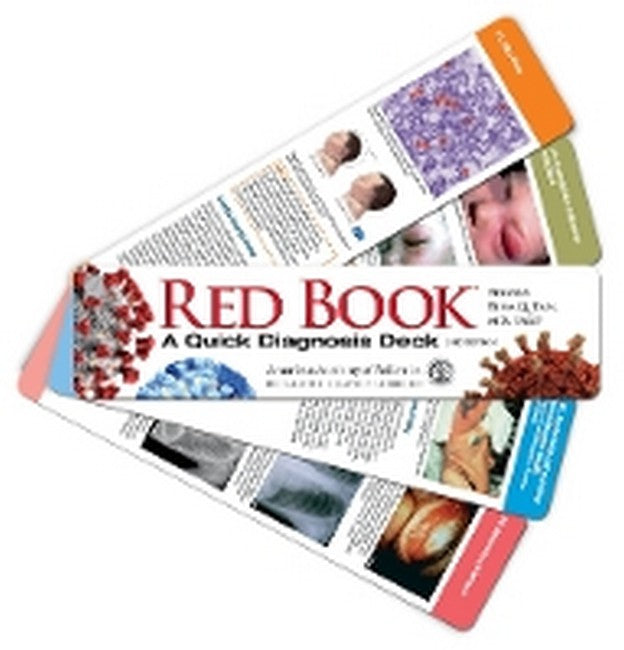
Description
How to Use This Deck Figure Credits ANIMAL- AND INSECT-TRANSMITTED INFECTIONS Infections Transmitted by Animals 1. Anthrax 2. Cat-Scratch Disease (Bartonella henselae) 3. Leptospirosis 4. Pasteurella Infections 5. Plague 6. Rat-Bite Fever 7. Toxoplasma gondii Infections (Toxoplasmosis) 8. Tularemia Infections Transmitted by Mosquitoes or Other Insect Vectors 9. Arboviruses 10. Leishmaniasis 11. Malaria 12. West Nile Virus 13. Zika Virus Tick-borne Infections 14. Ehrlichia, Anaplasma, and Related Infections (Human Ehrlichiosis, Anaplasmosis, and Related Infections) 15. Murine Typhus (Endemic or Fleaborne Typhus) 16. Lyme Disease (Borrelia burgdorferi Infection) 17. Rickettsialpox 18. Rocky Mountain Spotted Fever BACTERIAL INFECTIONS Bacterial Infections Originating From the Oral Cavity 19. Actinomycosis 20. Bacteroides, Prevotella, and Other Gram-Negative Bacilli Infections 21. Fusobacterium Infections (Including Lemierre Disease) Bacterial Infections of the Skin (Cellulitis) 22. Clostridial Myonecrosis (Gas Gangrene) 23. Nocardiosis 24. Staphylococcal Infections 25. Staphylococcal Scalded Skin Syndrome 26. Staphylococcal Toxic Shock Syndrome 27. Tetanus (Lockjaw) Bacterial Infections With Respiratory Transmission 28. Arcanobacterium haemolyticum Infections 29. Diphtheria 30. Haemophilus influenzae Infections 31. Leprosy 32. Meningococcal Infections 33. Mycoplasma pneumoniae and Other Mycoplasma Species Infections 34. Pertussis (Whooping Cough) 35. Streptococcus pneumoniae (Pneumococcal) Infections 36. Tuberculosis 37. Nontuberculous Mycobacterial Infections (Environmental Mycobacteria, Mycobacteria Other Than Mycobacterium tuberculosis) Other Bacterial Infections 38. Gonococcal Infections in Newborns 39. Group A Streptococcal Infections 40. Group B Streptococcal Infections 41. Non-Group A or B Streptococcal and Enterococcal Infections DISEASES OF UNKNOWN ORIGIN 42. Kawasaki Disease FOOD POISONING (VIA CONTAMINATED FOOD OR WATER) 43. Botulism and Infant Botulism (Clostridium botulinum) 44. Cholera (Vibrio cholerae) 45. Serious Neonatal Bacterial Infectious Caused by Enterobacteriaceae (Including Septicemia and Meningitis) 46. Helicobacter pylori Infections 47. Hepatitis A 48. Listeria monocytogenes Infections (Listeriosis) 49. Pseudomonas aeruginosa Infections 50. Salmonella Infections 51. Shigella Infections 52. Yersinia enterocolitica and Yersinia pseudotuberculosis Infections (Enteritis and Other Illnesses) FUNGAL INFECTIONS 53. Aspergillosis 54. Blastomycosis 55. Candidiasis 56. Coccidioidomycosis 57. Pityriasis Versicolor (Formerly Tinea Versicolor) 58. Sporotrichosis 59. Tinea Cruris (Jock Itch) INFESTATIONS 60. Pediculosis Capitis (Head Lice) 61. Pediculosis Corporis (Body Lice) 62. Pediculosis Pubis (Pubic Lice, Crab Lice) 63. Scabies PARASITIC INFECTIONS Amebic Infections 64. Amebiasis 65. Amebic Meningoencephalitis and Keratitis (Naegleria fowleri, Acanthamoeba species, and Balamuthia mandrillaris) Hookworm Infections 66. Cutaneous Larva Migrans 67. Hookworm Infections (Ancylostoma duodenale and Necator americanus) Ringworm Fungal Infections 68. Tinea Capitis (Ringworm of the Scalp) 69. Tinea Corporis (Ringworm of the Body) 70. Tinea Pedis and Tinea Unguium (Onychomycosis) (Athlete's Foot, Ringworm of the Feet) Roundworm Infections 71. Ascaris lumbricoides Infections 72. Baylisascaris Infections 73. Strongyloidiasis (Strongyloides stercoralis) 74. Trichinellosis (Trichinella spiralis and Other Species) Tapeworm Infections 75. Dipylidium caninum Infection 76. Taeniasis and Cysticercosis 77. Tapeworms of Other Types (Including Hydatid Disease) Worm Infections of Other Types 78. Lymphatic Filariasis (Bancroftian, Malayan, and Timorian) 79. Pinworm Infection (Enterobius vermicularis) SEXUALLY TRANSMITTED INFECTIONS 80. Chancroid and Cutaneous Ulcers 81. Chlamydia trachomatis 82. Gonococcal Infections of the Genitals and Sequelae 83. Granuloma Inguinale (Donovanosis) 84. HIV Infection 85. Human Papillomaviruses 86. Syphilis 87. Trichomonas vaginalis Infections (Trichomoniasis) VIRAL INFECTIONS 88. Coronaviruses, Including SARS-CoV-2 and MERS-CoV 89. Enterovirus (Nonpoliovirus) (Group A and B Coxsackieviruses, Echoviruses, Numbered Enteroviruses) 90. Measles 91. Molluscum Contagiosum 92. Mumps 93. Parvovirus B19 (Erythema Infectiosum, Fifth Disease) 94. Rubella 95. Smallpox (Variola) Herpes and Related Viral Infections 96. Cytomegalovirus Infection 97. Epstein-Barr Virus Infections (Infectious Mononucleosis) 98. Herpes Simplex 99. Human Herpesvirus 6 (Including Roseola) and 7 100. Varicella-Zoster Virus Infections Respiratory Viral Infections 101. ? Adenovirus Infections 102. Parainfluenza Viral Infections