
Bruno P. Kremer studied biology, chemistry and geology, and was a professor at the University of Cologne until 2012. He has published numerous books on topics ranging from natural history to environmental education and regional studies. His work has been translated into 14 languages.
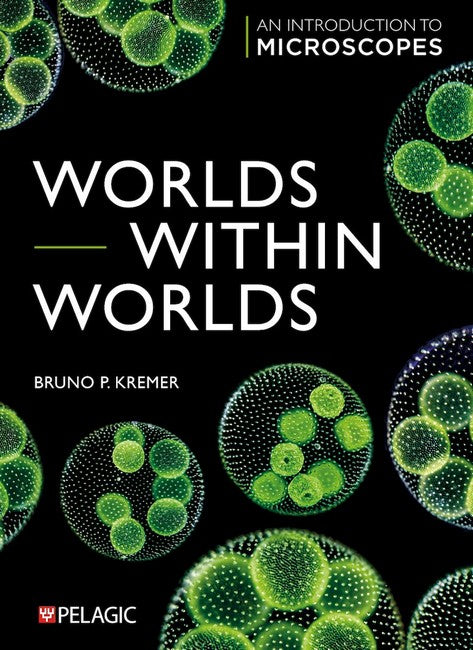

Description
Foreword Preface Introduction: Why use a microscope? Creating your own micro-laboratory 1. Structure of the microscope 2. How to use your microscope 3. Light - transmitter of information 4. Orders of magnitude 5. Three-dimensional images 6. Brownian movement 7. Simple wet mounts 8. Preparation by squashing 9. Tissue under the lens 10. Animal cells 11. Plasma flows and oblique lighting 12. Osmotic processes 13. Documentation 14. Tiny aquatic creatures 15. Cocci and bacilli 16. Preparing sections 17. Plant organs 18. Woody tissues 19. Distinctive animal tissues 20. Making permanent specimens 21. Surface examination 22. Investigating polarised light 23. Thin sections 24. Dusts and Rheinberg illumination 25. Microscopic photographs Index