
Mohamed Hammoud is a Lebanese-born author, TEDx speaker, and community advocate whose life between Lebanon and Canada shapes his work. He is the author of The Return of the Prophet, a contemporary homage to Kahlil Gibran that blends poetry and reflection. His writing explores identity, belonging, and memory through diaspora stories rooted in heritage and lived experience. Hammoud lives in London, Ontario, with his wife and children.
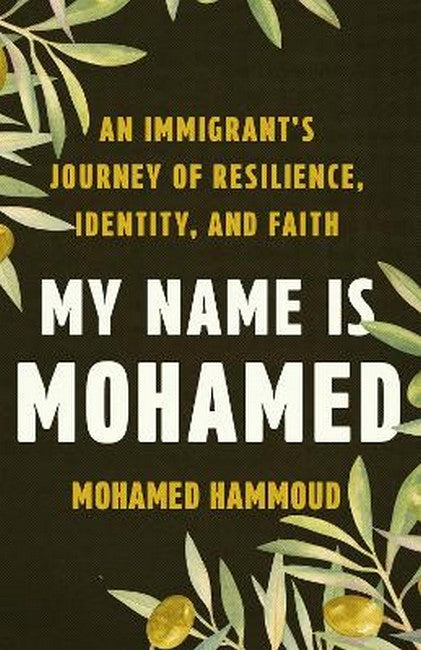

Description
"Mohamed Hammoud writes with a clarity and tenderness that stay with you long after the final page. His memoir is a powerful meditation on identity, migration, and the quiet resilience required to rebuild a sense of home after displacement. What moved me most is his ability to hold both pain and possibility with such honesty. This book is not only beautifully written, but it's also deeply human." --Tala Abou Dabousa, news presenter and reporter, Rogers TV & Sports, OMNI News "A deeply moving memoir, My Name Is Mohamed is a powerful introspection on identity, memory, and the courage it takes to reclaim one's truth and forge a path ahead. With grace and unwavering honesty, Mohamed Hammoud transforms his personal history into a universal story of belonging, revealing how the simple act of naming can hold the weight of faith, heritage, and healing. Timely, compassionate, and profoundly moving, this book is a testament to resilience and an inspiring reminder that remembering who we are is the first step toward becoming whole and moving ahead with purpose." --Dalia Fahmy, PhD, associate professor of political science, Long Island University "A beautiful articulation of the unspoken, too-often silenced quest to understand the divine impulse within us all. Hammoud's words resonate deep in the soul, regardless of which faith you call your own." --Katherine Monk, author of Joni: The Creative Odyssey of Joni Mitchell "From Lebanon's wounds to an unveiled soul, My Name Is Mohamed draws us inward. We bear witness to journeys echoing through our shared humanity, as we live 'between identities and languages, belonging and becoming, faith and modernity.' Loss is transformed into grace; grace teaches us how to lift one another. Here, Mohamed is more than a name--it is a legacy: honored, enduring, and whole." --Nancy Perin, executive director, Gallery of Human Migration